Food-grade menthol – more than just a cooling flavour
Food-grade menthol is a raw material valued for its characteristic cooling effect and fresh aroma. In the food industry, it is primarily used in confectionery, beverages, and mint-based products. Its quality directly affects the stability of flavour and aroma in the final product, which is why it is crucial for the raw material to retain its properties from delivery through to the production process. Unlike many other flavouring ingredients, menthol is sensitive to environmental conditions, meaning that the quality of the supply chain has a direct impact on its performance.
What storage conditions help maintain menthol stability?
To preserve its full aromatic profile, food-grade menthol must be stored under appropriate conditions. The raw material requires a cool, dry, and well-ventilated environment, away from heat sources and light. This is due to its natural volatility—at higher temperatures, menthol may partially evaporate, losing the intensity of its aroma.
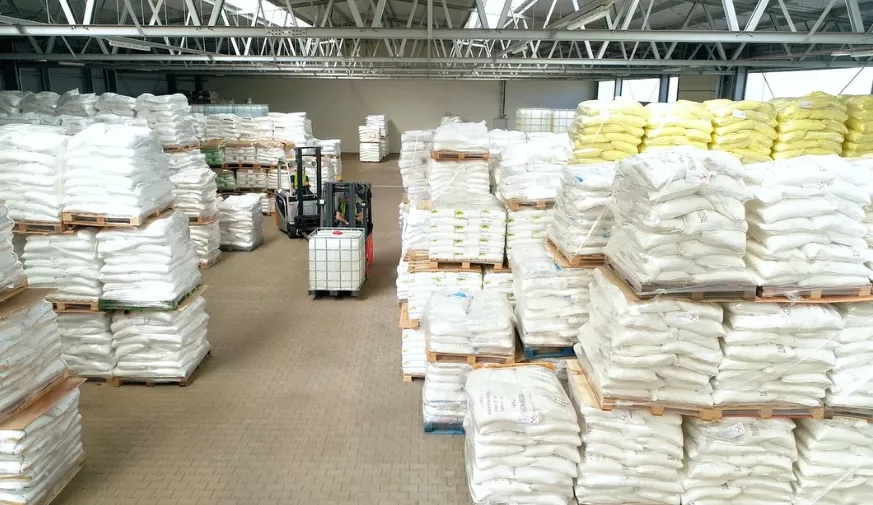
For this reason, temperature- and humidity-controlled storage plays a critical role in food-grade raw material distribution. Such conditions are ensured by the warehouses of Centro-Chem, which meet HACCP, GMP+, and ISO 9001 standards. As a result, menthol quality remains consistent throughout the entire storage period.

Does menthol require specific transport conditions?
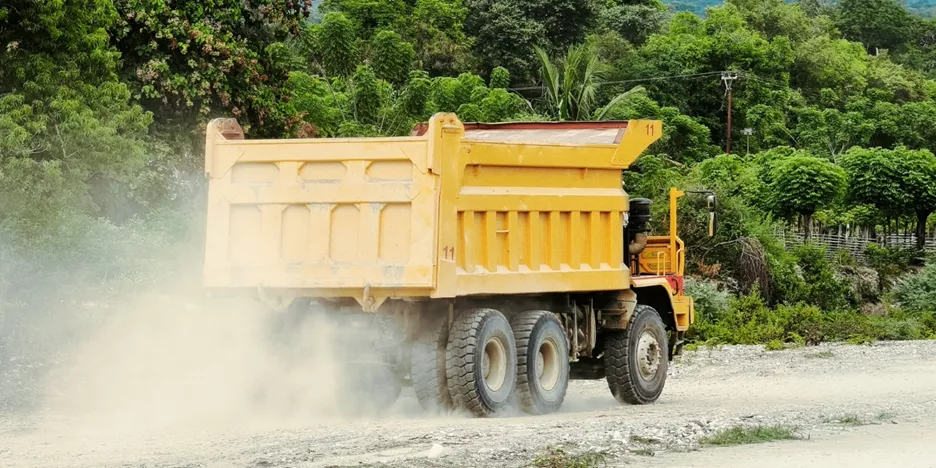
In the distribution of food-grade raw materials, not only documentation confirming compliance with quality requirements matters, but also the method of transport.
During transport, similarly to storage, food-grade menthol must be protected from moisture, light, and high temperatures, as these factors can affect its stability and aroma. The raw material is transported in tightly sealed packaging, which protects it from air exposure and unwanted odours.
How do quality certifications impact supply safety and reliability?
Centro-Chem bases its operations on an integrated certification system that confirms compliance with industry requirements and ensures full supply chain traceability:
- ISO 9001 – confirms an effective quality management system and continuous control over logistics processes,
- ISO 45001 – defines occupational health and safety standards and the organisation of processes within the supply chain,
- HACCP – ensures proper storage conditions and handling of food-grade raw materials,
All food-grade raw materials in our portfolio are sourced from verified manufacturers and distributed in accordance with industry requirements. This integrated quality management system translates into supply stability, consistent parameters, and the trust that customers place in Centro-Chem in their day-to-day operations.
Additionally, as a GMP+ certified company, we ensure full control over menthol safety also in feed applications.
Why is it worth entrusting the distribution of food-grade menthol to a reliable partner?
The distribution of food-grade menthol requires experience and infrastructure that ensure the raw material maintains its high quality at every stage. Centro-Chem operates temperature- and humidity-controlled warehouses, its own transport fleet, and a comprehensive quality control system. As a result, deliveries are carried out on time, and the raw material retains its sensory properties throughout the entire distribution process.
Summary: what is worth knowing about food-grade menthol in industrial distribution?
- requires stable storage conditions and protection from moisture,
- should be transported in sealed, secure packaging,
- temperature and humidity control help minimise the risk of aroma loss,
- ISO and HACCP certification confirm compliance with food industry standards,
- cooperation with an experienced distributor ensures consistent supply.