Propylene glycol is a solvent for polar substances while also helping stabilise formulations containing ingredients with different polarity levels. It remains in the final product as a carrier and functional medium for other components. It is widely used in household chemicals (fragrance solubilisation and surfactant stabilisation), cosmetics, the food industry (E1520), and pharmaceutical applications.
Propylene glycol as a Solvent – What It Is and Why It Is So Widely Used
Chemical Characteristics of Monopropylene Glycol (MPG)
Monopropylene Glycol is an organic solvent in the form of a colourless, odourless liquid. Its molecular structure is based on a diol compound containing two hydroxyl groups (-OH). These groups enable hydrogen bonding with other substances, allowing them to disperse effectively within a solution. As a result, MPG efficiently dissolves polar compounds, including water-based systems, alcohols, and other glycols — environments in which hydrophilic (“water-loving”) substances dissolve easily.
At the same time, the presence of a hydrocarbon chain improves its compatibility with less polar ingredients. This allows Monopropylene Glycol to stabilise formulations containing different types of substances, making it widely used across the chemical industry.
It is also important to note that Monopropylene Glycol functions as a processing solvent — a formulation component that remains in the finished product rather than evaporating like conventional technical solvents. It acts as a carrier and medium for other ingredients rather than a cleaning or removal agent. At the same time, it is less effective at dissolving strongly non-polar substances such as fats, oils, and waxes.
Properties Supporting Solubility
In addition to its solvent properties, the practical use of Monopropylene Glycol is also determined by its other physicochemical characteristics:
- excellent miscibility with water and other substances,
- contribution to product stability and viscosity control,
- moisture absorption from the surrounding environment (humectant properties).
Because of these functions, Monopropylene Glycol is used across multiple industries, each with different technological priorities. In cosmetics, it is primarily responsible for emulsion stability and achieving the desired texture. In the food industry, where it is used as E1520, it serves as a flavour solvent, carrier, and humectant. In pharmaceutical applications, it supports the solubility and bioavailability of active ingredients. Its role in household and industrial cleaning chemicals is discussed in more detail below.
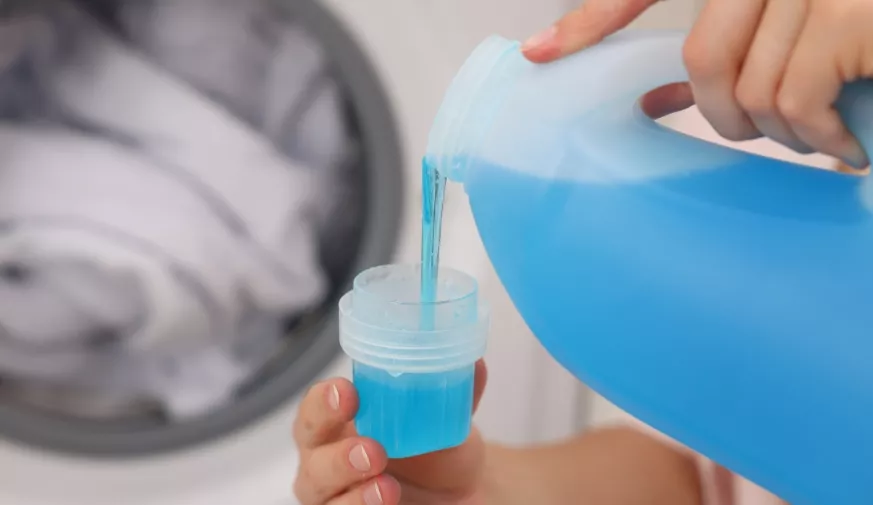
Industrial Applications of Propylene glycol – The Example of Household Chemicals
Solubilisation of Fragrance Compositions and Functional Additives
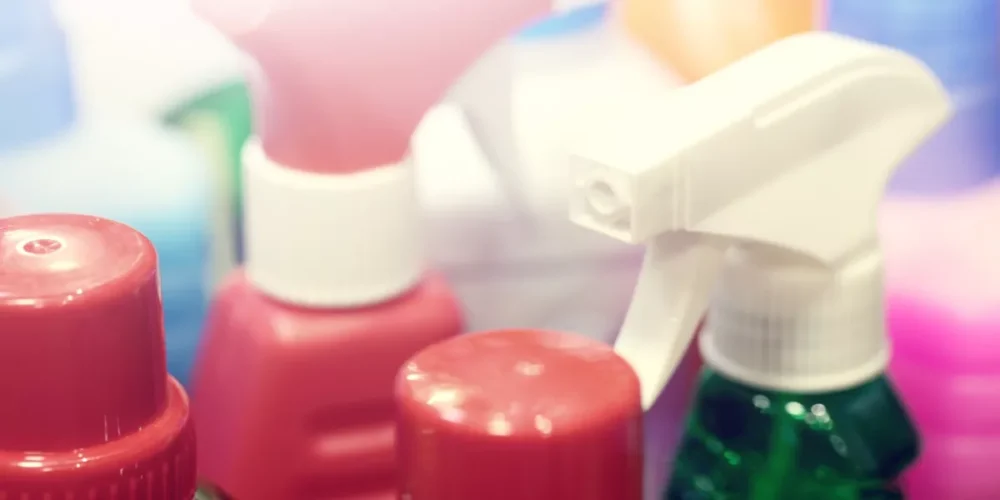
In household chemical formulations, Propylene glycol acts as a solvent for fragrance compositions and functional additives. This prevents these ingredients from separating into different phases and ensures their even distribution throughout the product. As a result, the formulation maintains consistent appearance, performance, and fragrance profile across production batches.
As an organic chemical compound, propylene glycol integrates ingredients with different chemical characteristics, making it easier to incorporate them into water-based systems without the risk of precipitation. This helps maintain formulation stability both during storage and throughout product use.
Impact on Surfactant System Stability
The behaviour of surfactants depends on their concentration and changes during dilution, particularly in water-based systems. Thanks to its complete miscibility with water, Propylene glycol modifies the nature of the aqueous phase by reducing polarity differences between ingredients. This creates a more uniform environment for surfactants, helping maintain their stable structure and performance balance within the formulation.
Due to its ability to form hydrogen bonds and intermolecular interactions, Propylene glycol helps reduce sudden changes in surfactant structures during dilution. This limits rapid phase transitions and micelle destabilisation, ultimately improving the stability of the entire formulation system.
Impact on Viscosity
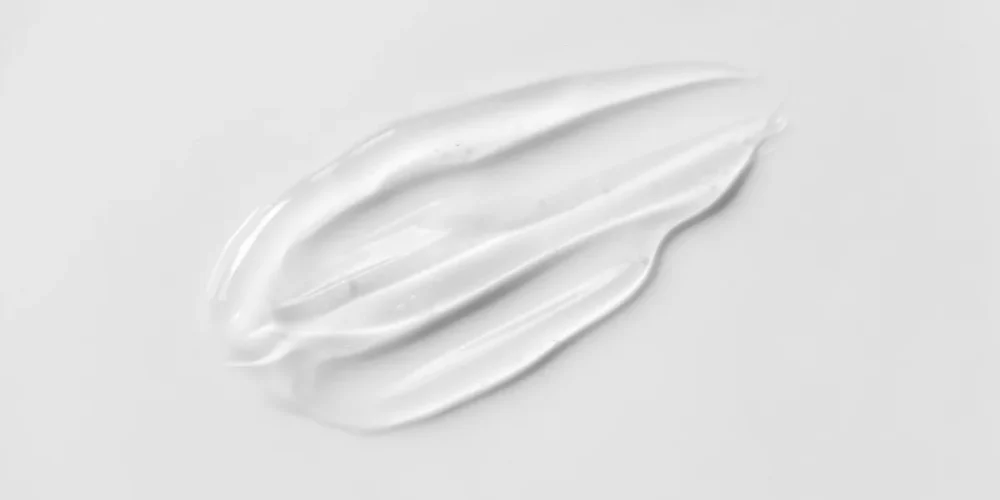
Propylene glycol is a viscous liquid. The hydrogen bonds it forms with water and other ingredients help stabilise the three-dimensional structure of the formulation and limit the free movement of molecules. Although it does not function as a conventional thickening agent, it supports the structural stability responsible for viscosity and, in simple water-based systems, may also slightly increase it.
Role in Water-Based and Semi-Aqueous Formulations
Propylene glycol is not only highly soluble in water but also hygroscopic in nature. As a result, it performs a regulating function by binding water molecules present in the formulation and stabilising both their distribution within the product structure and the overall moisture content. This helps limit changes in “free water” levels and supports the long-term water balance of the system. As a result, the product maintains consistent texture and stability during storage.
FAQ: Propylene glycol – Frequently Asked Questions
Is Propylene glycol a Solvent?
Yes, Propylene glycol is a solvent, but its industrial role extends far beyond simple dissolving properties. In addition to acting as a solvent, it also functions as a carrier for active substances, a formulation stabiliser, and a component that supports product homogeneity. Because of this, it is widely used across industries where product consistency, stability, and process control are essential.
What Does Propylene glycol Dissolve?
Propylene glycol primarily dissolves selected polar organic compounds and substances commonly used in industrial formulations. It is particularly effective for essential oils and fragrance ingredients, enabling their even incorporation into water-based systems and stable mixtures.
Where to Buy Propylene glycol?
Centro-chem offers Propylene glycol as one of the key raw materials in its portfolio. We ensure consistent product availability and supply solutions tailored to the needs of the household chemicals sector as well as many other industries.
What Packaging Formats Do We Offer for Propylene glycol?
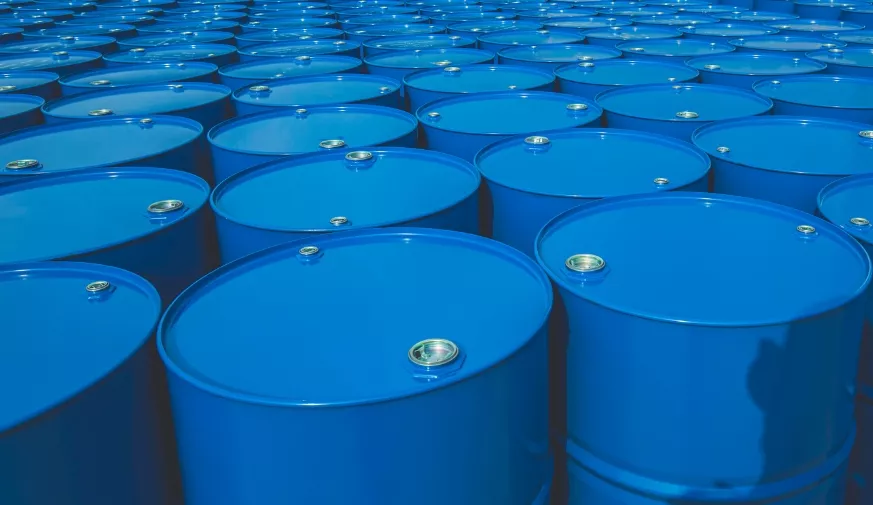
We offer Propylene glycol in 5 L, 10 L, 20 L, and 30 L jerrycans, 200 L drums, and 1000 L IBC containers, allowing flexible supply options tailored to production requirements.
How Should Propylene glycol Be Stored and Transported?
Propylene glycol is not considered a logistically demanding raw material. The key requirements are maintaining tightly sealed packaging and protecting the product from contamination and moisture due to its hygroscopic properties. It should be stored in dry, well-ventilated areas at ambient temperature, away from direct sunlight and extreme temperatures. These conditions help preserve its chemical stability over extended storage periods.