Why does chemical raw material logistics often differ from other industries?
In chemical raw materials logistics, not everything requires special procedures. The key factor is product classification and the related regulatory obligations. That is why the process starts with verification: whether the raw material falls under ADR regulations, what labeling requirements apply, which documents must accompany the delivery, and under what conditions it can be transported and stored.
In the following section, we illustrate this process using methylene chloride and break it down into three areas that, in practice, determine the course of delivery: packaging, transport, and storage.
Methylene chloride as an example of a raw material requiring special delivery coordination
Methylene chloride (dichloromethane) is an industrial solvent that, in B2B trade, requires a well-structured delivery process in line with regulatory and logistics requirements. The substance is classified as dangerous goods for transport (ADR) and is also subject to controlled handling regulations. For this reason, this case study shows how many elements a distributor must coordinate to ensure that the raw material reaches an industrial customer in an orderly and compliant manner—from warehouse intake to final delivery at the destination site.
Packaging for methylene chloride in industrial distribution
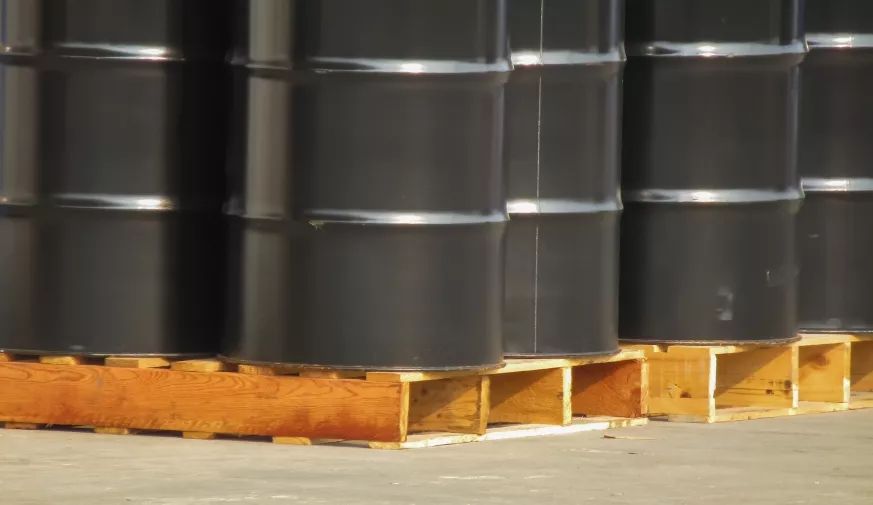
Packaging is a factor that directly affects losses and the safety of raw material handling. In logistics practice, methylene chloride requires strict control of tightness and minimization of product losses. The substance has a high volatility, so even minor leaks can quickly lead to material loss. For this reason, careful selection of packaging is essential.
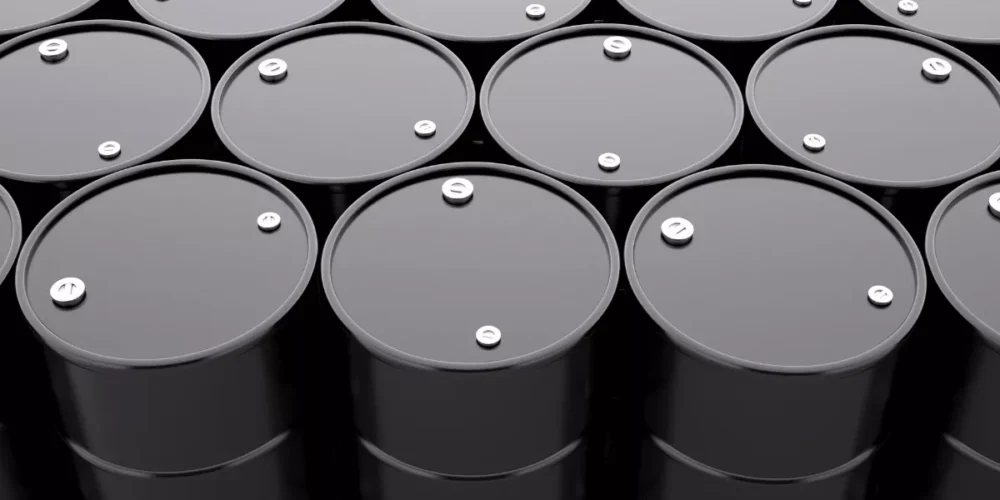
For larger deliveries, steel drums (approx. 200 L) are more commonly used due to their tightness and transport durability, while for smaller volumes, canisters may also be suitable, provided they meet the required material compatibility standards.
Storage of methylene chloride – conditions and organization
During methylene chloride storage, key conditions are those that limit evaporation and emissions. The material is stored in tightly sealed packaging, in a covered and well-ventilated warehouse area protected from heat exposure. In practice, spill containment measures and controlled access to the storage zone are also standard requirements.
Equally important is the organization of the storage area: clearly defined zones, segregation rules, and minimizing unnecessary pallet movements. This helps reduce the risk of packaging damage and ensures consistent labeling throughout the entire storage cycle.

Transport of methylene chloride – logistics requirements
Organizing methylene chloride transport must take into account ADR regulations governing the carriage of dangerous goods. In practice, this means using vehicles appropriately equipped for such substances and employing drivers holding valid ADR certification.
It is also essential to prepare the load unit in a way that prevents packaging from shifting on the pallet and protects it from point impacts. For this reason, stable palletization is used, along with interlayers and corner protectors, while the entire load is secured with stretch film or strapping. Over-stacking is avoided, and packaging is kept in its designated transport orientation in line with labeling requirements. This ensures that the shipment arrives without additional handling adjustments and without risk of damage during transshipment.
Does the regulatory status of methylene chloride affect its distribution rules?
Methylene chloride is an industrial solvent with a wide range of applications. Due to the potential for misuse, it may be subject to additional documentation requirements on both the distributor’s and the buyer’s side.
In practice, this means that sales of such raw material are recorded, and purchases can only be completed using an active VAT number (or equivalent business registration number, where applicable). In addition, a distributor may require a declaration of intended use to ensure consistency in transaction records and enable proper traceability.
Due to the above-mentioned regulatory context, methylene chloride procurement at Centro-chem is subject to the same formal requirements as in the case of drug precursors and explosives.
Implications for procurement and logistics departments in industry
For manufacturing plants, it is essential that methylene chloride deliveries are ready for quick acceptance and immediate integration into production workflows. Therefore, at the ordering stage, it is important to define regulatory and transport requirements and ensure that documentation and labeling are fully consistent. This helps reduce the risk of shipment delays during inspections and supports uninterrupted production processes.
For logistically demanding raw materials, the most effective approach is cooperation with a partner who coordinates the entire process and ensures compliance at every stage. Centro-chem has been delivering such substances for nearly 30 years, combining experience with hands-on operational practice in B2B distribution.
If you want to compare terms, verify current supply solutions, or simply secure an alternative source of supply, we invite you to get in touch.