Rust as a long-term challenge in metallurgy
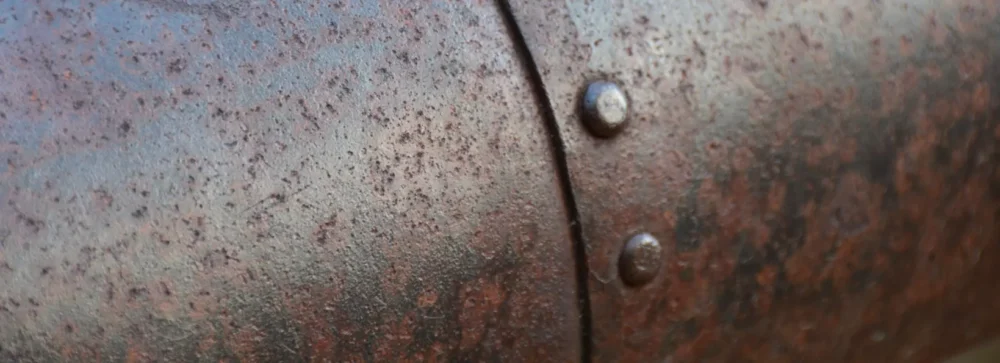
Rust is a constant operational cost in the metal industry. Structural components gradually lose their load-bearing capacity as a result. Consequently, machinery requires more frequent maintenance, and finished products often fail to meet customer specifications. As a result, metallurgical manufacturers invest in methods for removing stains and corrosion from metal surfaces. This applies both to the production phase and to the preparation of goods for shipment. Importantly, the issue affects iron, steel, and alloys prone to oxidation. For this reason, chemical solutions have become an essential part of the production chain. The industry is therefore seeking effective, cost-efficient, and material-safe methods for cleaning metal surfaces.
Oxalic acid in formulations for removing rust from metal surfaces
The answer to these needs is oxalic acid, also known as ethanedioic acid. It is an organic chemical compound and the simplest dicarboxylic acid. Thanks to its properties, it effectively removes rust and stains from metal surfaces. For this reason, manufacturers of technical chemicals select it as an active ingredient in cleaning formulations.
Its mechanism of action is based on the formation of soluble oxalates with iron ions. This allows contaminants to be removed without mechanical abrasion. An oxalic acid solution dissolves mineral deposits and corrosion products. As a result, the surface regains its shine and cleanliness.
However, application in formulations requires precise control of concentration. Too high a level may damage the surface, while too low may be ineffective. Importantly, iron, steel, and stainless steel react differently to this raw material. For this reason, manufacturers develop separate formulations for different types of metals.
Due to its chemical properties, this raw material is not only an ingredient in industrial metal cleaning products. Oxalic acid is used across various industries, including wood restoration and beekeeping.
Oxalic acid dihydrate as a widely used raw material for technical applications
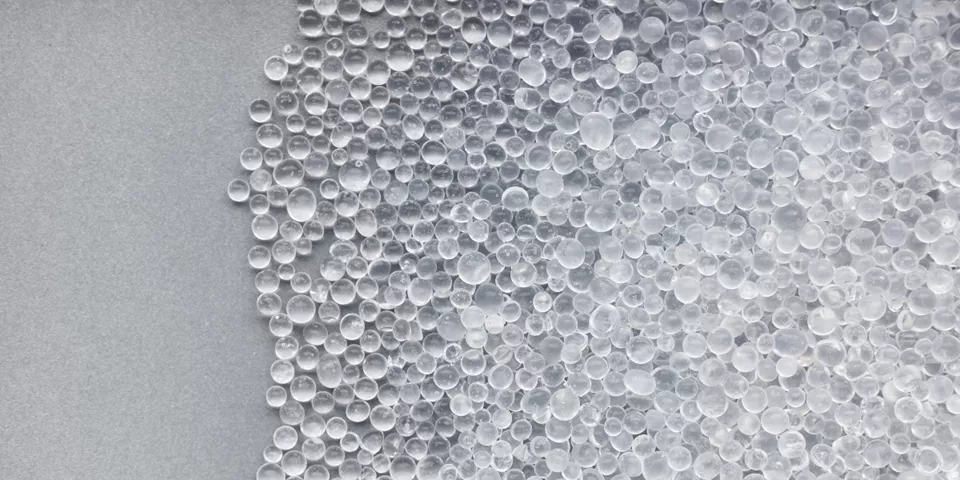
Dihydrate oxalic acid is the most common form of this raw material used in industry. It contains water molecules within its crystal structure, which makes it stable during storage and transport. The technical grade meets strict purity standards and defined chemical parameters. As a result, it meets the requirements of customers from the metallurgy, dyeing, and cleaning sectors. The product is offered in 25 kg bags. Each batch of hydrated oxalic acid undergoes quality testing. This ensures that formulation manufacturers receive a raw material with consistent and reproducible properties.
Where to buy oxalic acid dihydrate?
Centro-chem to doświadczony dystrybutor surowców chemicznych dla przemysłu metalowego i producentów formulacji czyszczących. Oferujemy kwas szczawiowy dwuwodny w stabilnej jakości technicznej, z pełną dokumentacją dla każdej partii – kartą charakterystyki, specyfikacją oraz certyfikatami jakości wymaganymi przez działy kontroli i BHP.
We ensure short lead times, consistent raw material parameters across deliveries, and the possibility of scheduling recurring supply, which eliminates the risk of production downtime and ensures continuity of technological processes.
We invite you to contact us handel@centro-chem.pl or +48 603 134 003.