
Essence
Pharmaceutical glycerine is a 99.5% plant-derived glycerol widely used in pharmaceutical and cosmetic applications due to its stability, neutrality, and strong hygroscopic properties. It effectively binds water, improves texture, and supports the performance of active ingredients, which is why it is commonly used in syrups, ointments, suppositories, creams, and personal care products. Its versatility stems from its physicochemical properties and compliance with USP/EP standards, ensuring safe use and consistent performance across manufacturing processes.
What is pharmaceutical glycerine and how does it differ from technical grade glycerine?
Pharmaceutical glycerine is a highly purified, plant-derived glycerol with a minimum purity of 99.5%. It belongs to the group of stable trihydric alcohols and serves as a core raw material in pharmaceutical formulations and personal care products. It is obtained through the hydrolysis of vegetable fats, a process that yields glycerol and soap as by-products.
Unlike technical grade glycerine, which is primarily used in industrial applications, pharmaceutical grade glycerine is defined by its high level of purity and absence of contaminants. This makes it a safe and reliable ingredient for products intended for direct contact with the human body—such as ointments, creams, syrups, and dermatological formulations—where full stability and strict compliance with quality standards are essential.
Physicochemical properties that determine the versatility of pharmaceutical glycerine
Pharmaceutical glycerine is a colourless, viscous liquid with a slightly sweet taste and a neutral odour. Due to the presence of three hydroxyl groups, it belongs to the group of sugar alcohols. It exhibits strong hygroscopic properties, effectively binding water and maintaining the desired moisture level in formulations. It is fully miscible with water and alcohol, which facilitates seamless integration with other formulation components. It is characterised by high viscosity and chemical stability, and its neutral pH ensures it does not interfere with the performance of other ingredients.
These properties make pharmaceutical glycerine a key functional component in formulations, acting as a humectant, stabiliser, and protective agent. It enhances product stability, ensures a smooth texture, and supports a uniform structure, which is essential in both pharmaceutical and cosmetic applications.
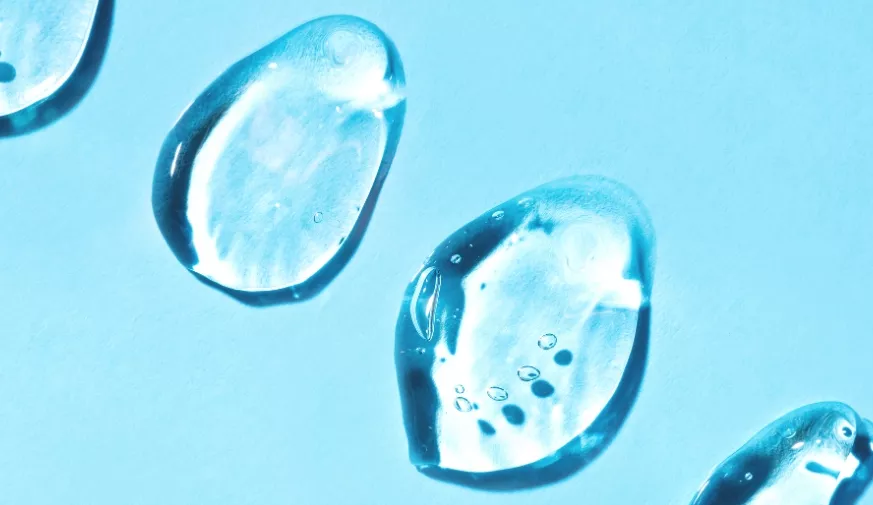
Applications of pharmaceutical glycerine in the pharmaceutical industry – functional roles in drug formulations
Due to its purity and safety profile, vegetable glycerine is widely used in pharmaceutical manufacturing, where consistent parameters and strict control of chemical processes are essential.
Pharmaceutical glycerine functions as a solvent, carrier of active ingredients, and viscosity stabiliser in a wide range of drug formulations. Thanks to its ability to bind water, it provides effective moisture retention, preventing product drying and enhancing shelf life. Glycerine also serves as an excellent base for syrups, ointments, and suppositories.
In the pharmaceutical industry, glycerine also acts as a humectant and a texture-enhancing agent. In dermatological formulations, it supports the even distribution of active substances, while in oral dosage forms it contributes to stability and improves palatability. Glycerine has a naturally sweet taste—approximately 60% as sweet as sucrose—which helps mask the unpleasant taste of active ingredients in many syrups, oral drops, and suspensions, particularly in products intended for paediatric use.
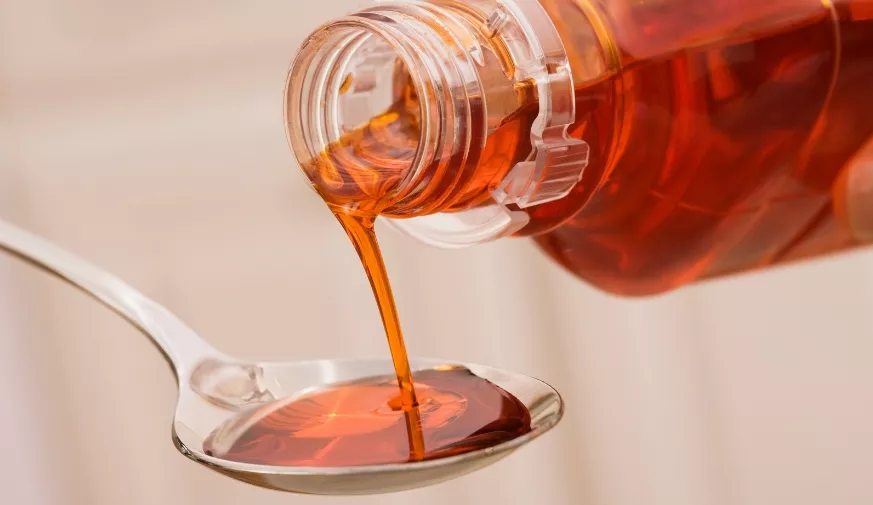
The role of pharmaceutical glycerine in cosmetics and personal care products – functions in cosmetic formulations
In the cosmetics industry, pharmaceutical glycerine is highly valued for its exceptional moisturising properties. Its hygroscopic nature helps maintain the desired moisture level in skin and hair care products. Vegetable glycerine also exhibits high viscosity and chemical stability, which translates into formulation durability and a pleasant sensory experience during application.
Glycerine is used as a humectant, stabiliser, and a formulation aid that supports the homogenisation of ingredients. In creams, lotions, and lip care products, it contributes to softness, elasticity, and the ability to retain skin moisture. It is particularly valued in products designed for mature and sensitive skin. In hair care formulations, it supports regeneration, enhancing smoothness and shine.

Why do manufacturers choose 99.5% pharmaceutical grade vegetable glycerine?
Manufacturers choose 99.5% pharmaceutical grade vegetable glycerine for several key reasons:
- ensures consistent parameters across every batch, eliminating the risk of quality fluctuations in production,
- complies with stringent pharmacopeial standards, making it suitable for both pharmaceutical and cosmetic manufacturing without the need for additional purification,
- its plant-based origin aligns with the growing demand for sustainable and naturally derived raw materials.
This combination of safety, process stability, and a sustainable profile makes it an optimal choice for both the pharmaceutical and cosmetics industries.
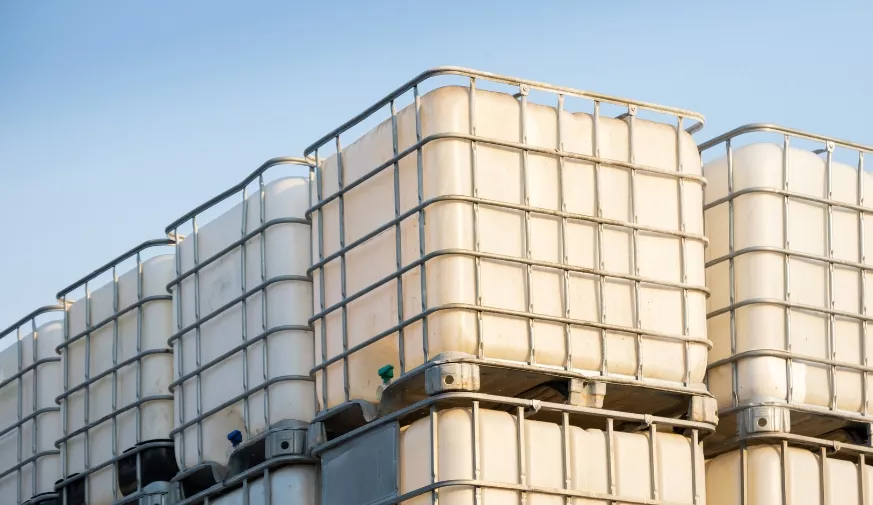
Why is it worth sourcing pharmaceutical glycerine from Centro-Chem?
Pharmaceutical glycerine is one of our core products, maintained in continuous stock availability. As a pharmaceutical glycerine distributor, we work exclusively with verified manufacturers, ensuring a consistent quality standard of the raw material. Our production and distribution processes are certified under ISO, GMP+, and HACCP, and our operations are conducted in full compliance with REACH regulations.
Each order is supplied with a complete set of documentation confirming product quality. We offer flexible delivery formats—from 5-litre packaging to full tanker truck shipments.
As a pharmaceutical glycerine supplier with nearly 30 years of experience in the chemical industry, we ensure timely order fulfilment and efficient service at every stage of cooperation.
Frequently asked questions about pharmaceutical glycerine
Where to buy pharmaceutical glycerine?
Pharmaceutical glycerine can be sourced from chemical raw materials distributors offering products compliant with USP/EP standards and supported by full manufacturer documentation. In the B2B sector, the raw material is available in industrial packaging and delivered directly to pharmaceutical, cosmetic, and food industry companies. If you require 99.5% pharmaceutical grade glycerine for your production, you can order it from Centro-Chem.
What concentration does pharmaceutical glycerine have?
Pharmaceutical glycerine typically has a concentration of 99.5%, reflecting the high level of purity required by USP/EP standards.
Is pharmaceutical glycerine of plant origin?
Yes, pharmaceutical glycerine available on the market—including that offered by Centro-Chem—is of plant origin. It is derived from vegetable oils (most commonly rapeseed, palm, or coconut oil), which are then subjected to hydrolysis and purification processes to meet USP/EP quality standards.
How should pharmaceutical glycerine be stored?
Pharmaceutical glycerine should be stored in tightly sealed containers, in a dry environment and away from heat sources. It is best kept at room temperature, with limited exposure to light and humidity, in order to maintain stable parameters and prevent moisture absorption from the surroundings. The raw material should also be protected from contamination, in accordance with GMP requirements.
How does pharmaceutical glycerine differ from technical grade glycerine?
Pharmaceutical glycerine is distinguished by its 99.5% purity and compliance with USP/EP standards. Technical grade glycerine undergoes less advanced purification and is used in industrial applications where pharmacopeial standards do not apply.